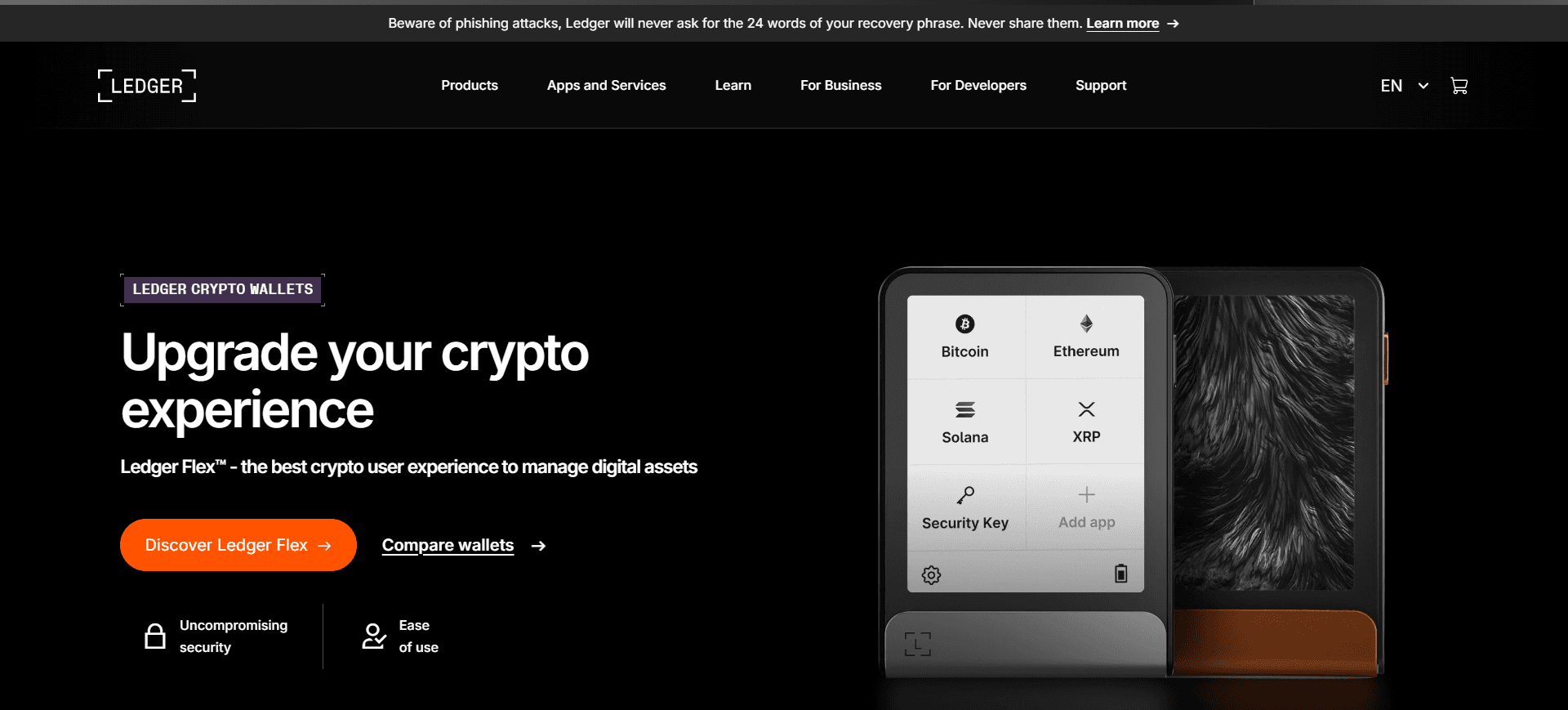
Ledger Live Login: Your Complete Guide to Secure Cryptocurrency Management
Cryptocurrency has opened a world of financial possibilities, allowing anyone to store, send, and receive money digitally without relying on traditional banks. But with freedom comes responsibility: security is critical. Online wallets and exchanges are convenient but vulnerable to hacks, phishing attacks, and malware.
This is where Ledger hardware wallets and Ledger Live come in. Ledger Live is the official app that lets you manage your cryptocurrency safely. Understanding Ledger Live login is essential for securing your funds, tracking balances, and sending transactions.
This guide provides a step-by-step walkthrough for Ledger Live login, including setup, security best practices, troubleshooting, recovery, and practical examples to ensure your crypto stays safe.
What is Ledger Live?
Ledger Live is the companion application for Ledger hardware wallets, available on desktop (Windows, macOS, Linux) and mobile (iOS, Android). It allows users to:
Monitor account balances and transaction history
Send and receive cryptocurrency safely
Install apps for multiple cryptocurrencies on your Ledger device
Manage multiple accounts and wallets from a single platform
The key difference is that Ledger Live never exposes your private keys online. All sensitive operations happen on the Ledger hardware device, ensuring that your crypto remains secure even if your computer is compromised.
Why Ledger Live Login is Different
Unlike traditional login systems that use usernames and passwords, Ledger Live uses hardware-based authentication. You cannot access your funds without your Ledger device.
Key Elements of Ledger Live Login
Ledger Device Authentication: Your Ledger device must be connected physically (Nano S / Nano S Plus via USB) or wirelessly (Nano X via Bluetooth).
PIN Code: Required for unlocking the device and logging into Ledger Live.
Recovery Phrase (24 Words): Needed if your device is lost or stolen, to restore your wallet.
Optional Passphrase: Adds an extra hidden wallet for advanced security.
This approach ensures that only the person with the physical Ledger device and the correct PIN can access the wallet.
Step 1: Download and Install Ledger Live
Before you can log in, you need to install Ledger Live:
Visit the official Ledger website.
Download the correct version for your operating system or mobile device.
Install Ledger Live and open the application.
Choose one of the following options:
Set up a new device if this is your first Ledger wallet.
Restore device if you already have a recovery phrase from a previous wallet.
Ledger Live includes a step-by-step setup guide to help new users navigate the installation process safely.
Step 2: Connect Your Ledger Device
Ledger Live requires your hardware wallet to function:
Ledger Nano S / Nano S Plus: Connect via USB to your computer.
Ledger Nano X: Connect via USB or Bluetooth on mobile devices.
Always use a trusted computer or mobile device to prevent malware or phishing attacks from compromising your wallet.
Step 3: Initialize Your Ledger Device
If your Ledger device is new:
Set up a PIN code. This PIN is required every time you log in.
Write down your 24-word recovery phrase. This is critical for restoring your wallet if your device is lost or stolen.
Install the cryptocurrency apps you want to use on your device (Bitcoin, Ethereum, etc.).
Ledger Live works hand-in-hand with your device to make sure your private keys never leave the hardware, providing top-level security for your assets.
Step 4: Logging Into Ledger Live
Once Ledger Live is installed and your device is ready:
Open Ledger Live on your computer or mobile device.
Connect your Ledger device.
Enter your PIN on the device.
Ledger Live detects your device and loads your accounts.
Approve any pending transactions directly on the Ledger device.
Important: Unlike traditional logins, all critical actions are verified on-device, meaning malware cannot manipulate your transactions.
Security Features During Ledger Live Login
Ledger Live login includes multiple layers of protection:
PIN Verification: Ensures only authorized users can access the wallet.
Transaction Verification on Device: Protects against malware altering transactions.
Recovery Phrase: Allows wallet restoration if the device is lost.
Optional Passphrase: Adds hidden wallets for an extra security layer.
This multi-layered security keeps your crypto safe even if your computer is compromised.
Troubleshooting Ledger Live Login
Even experienced users may encounter issues. Here’s how to resolve them:
Device Not Recognized
Ensure the USB cable is properly connected.
For Nano X, make sure Bluetooth is enabled on mobile devices.
Avoid USB hubs or public computers.
PIN Not Accepted
Double-check your PIN; Ledger devices use randomized keypads to prevent keylogging.
Three incorrect attempts reset the device. Restore your wallet using the recovery phrase.
Ledger Live Won’t Launch
Update Ledger Live to the latest version.
Restart your computer or mobile device.
Ensure Ledger device firmware is updated.
Lost Recovery Phrase
Without it, your wallet cannot be recovered. Store offline in a safe, secure location.
Best Practices for Ledger Live Login
Download Ledger Live from official sources only.
Keep your recovery phrase offline and in secure locations.
Use a strong PIN code.
Enable optional passphrases for high-value wallets.
Keep your device offline when not in use.
Update your firmware regularly.
Avoid logging in on public or untrusted devices.
Recovery if Ledger Device is Lost or Stolen
Obtain a new Ledger device.
Restore your wallet using the 24-word recovery phrase.
Enter your optional passphrase if you used hidden wallets.
Generate new addresses for added security if necessary.
Ledger Live ensures your funds remain safe and recoverable even in extreme cases.
Real-Life Example
Imagine you want to send Ethereum to a friend:
Open Ledger Live and connect your Ledger Nano X.
Enter your PIN to unlock the device.
Select your Ethereum account and enter the recipient’s address.
Approve the transaction on your Ledger device.
Even if malware is present on your computer, your transaction remains secure because Ledger requires physical confirmation.
Common Mistakes to Avoid
Sharing your recovery phrase online or digitally.
Using weak or repetitive PIN codes.
Logging in on public computers or networks.
Ignoring firmware updates.
Failing to back up recovery phrases securely.
Frequently Asked Questions
Q: Can I access Ledger Live without a Ledger device?
A: No. A Ledger device is required for authentication and signing transactions.
Q: Can Ledger Live be hacked?
A: Extremely unlikely. Private keys never leave the device, and transactions require physical confirmation.
Q: What happens if I forget my PIN?
A: Three incorrect attempts reset the device. Restore funds using your recovery phrase.
Q: Can Ledger Live manage multiple cryptocurrencies?
A: Yes, Ledger Live supports Bitcoin, Ethereum, Litecoin, and thousands of tokens.
Q: Can I use Ledger Live on multiple devices?
A: Yes, but your Ledger device is required on each device for secure login.
Conclusion
Ledger Live login is hardware-based and highly secure, combining PIN authentication, device verification, recovery phrases, and optional passphrases. This ensures your crypto assets remain safe even if your computer is compromised.
By following best practices—offline recovery phrase storage, strong PINs, enabling passphrases, updating firmware, and connecting only to trusted devices—you can manage, send, and receive cryptocurrency with confidence.
Ledger Live gives you full control of your digital assets while maintaining top-level security, making it ideal for beginners and experienced crypto users alike.